
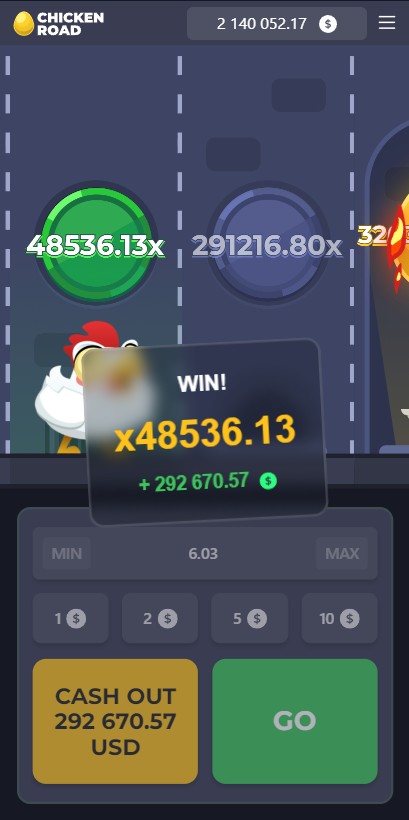
Chicken Road takes the old joke about a chicken crossing a road and transforms it into a slot, but its autoplay settings are more crucial than most players understand. If you’re in the UK, the first thing to note is that real-money online slots licensed here not anymore offer autoplay as standard. The UK Gambling Commission brought in that rule, and it applies to Chicken Road on any UK-regulated platform. This guide explains how the game works, what to review in the paytable, and how autoplay functions in demo modes or outside the UK. Instead of viewing autoplay as an afterthought, spend some time to grasp the exact controls, the limits you can establish, and why the UK ban is in force. The sections below include the theme, RTP, layout, bonus features, bet ranges, and then the autoplay settings that are important most to UK players.
Special Features, Wilds, Scatter Symbols, and Multipliers
Chicken Road commonly features a wild symbol, a scatter, and a free spins round, but the names and behaviours may differ. Wilds substitute for standard symbols to complete winning lines, and in some versions a wild can show up only on certain reels, for example reels two, three, and four. Scatters often unlock a free spins bonus with a set number of spins, usually between eight and fifteen. During free spins, an increasing multiplier may rise after every win or after every road-crossing event, increasing later payouts. Some builds also include a pick-me or trail bonus whereby the chicken moves along a road to collect cash prizes and multipliers. Never assume a feature exists without the official paytable confirms it. The most important check before using any autoplay feature is what stop conditions exist, because bonus triggers and feature wins are best to pause automated play. In the UK, since autoplay isn’t permitted, you trigger these features manually, which gives a natural pause to evaluate each result.
Safe Autoplay Use and Final Playing Tips
While autoplay is not offered to UK Chicken Road players, the principles behind its settings are still relevant. A responsible session starts with three decisions: how much to stake per spin, how much you’re willing to lose before stopping, and how much of a win is sufficient to walk away. Manual play keeps these decisions easier to stick to, because every spin takes a deliberate action. Some players consider manual play slower, but the pause between spins cuts down on impulsive chasing. If you are playing a demo version or an international site where autoplay exists, use the lowest number of spins and consistently set a loss limit; never count on an automatic stop for a bonus round without likewise setting a cash limit. The best next step for any UK player is to access the Chicken Road information panel, confirm the exact RTP, paylines, and features, then play a few demo spins with the same stakes you’d use for real money. That creates familiarity without risking your balance.
UK players should view the absence of autoplay in Chicken Road as a protective design choice, not a missing feature. The game provides plenty of variation through its bonus round, multipliers, and potential win sizes, but those features function best when you stay in control. Because autoplay is banned on UK-regulated slots, the most realistic guide is to arrange each session manually: check the paytable, set a fixed number of spins or a time limit, and stop when either is reached. For players outside the UK, or those trying a demo, the same rules hold even where autoplay buttons exist. The key is not to chase the maximum win through long automated runs. Instead, verify the actual RTP and paylines for the Chicken Road version you use, then treat every spin as a separate decision. That approach safeguards your bankroll and ensures the farmyard journey fun rather than mechanical.
Chicken Road RTP, Volatility, and How They Shape Sessions
RTP, or return to player, is the share of total wagers a slot repays over a large number of spins. Chicken Road doesn’t have one fixed RTP across all platforms; the same title can appear with different return settings, commonly between 94% and 96.5% according to the operator and the build. Volatility explains how wins are distributed. Chicken Road is generally classed as medium volatility, which signifies a mix of smaller base-game hits and occasional larger bonus payouts, but some versions lean higher. A medium-volatility profile fits players who want regular feedback without waiting through long dry spells. For UK players, the RTP must be shown in the game information panel, so there’s no need to guess. When contrasting versions of Chicken Road, picking the highest RTP on display is a sensible starting point. But RTP cannot predict short sessions; you can still lose several hundred spins in a row. Volatility and RTP also matter for autoplay planning, because long automated runs in higher-volatility builds can drain a balance fast.
Layout, Paylines, and How Winning Combinations Are Determined
Most builds of Chicken Road use a five-reel, three-row grid, but the count of paylines or ways to win varies by release. Typical configurations include 10, 20, or 25 fixed paylines, while a few recent editions use 243 ways-to-win mechanics that award whenever paired symbols land on neighboring reels. On a fixed-payline slot, only symbols aligned along an active line count. On a ways-to-win title, the precise placement inside each reel carries less weight, but at least one paired symbol must be present on consecutive reels starting from the far-left reel. The paytable shows how much each match pays as a multiplier of the current line bet or total stake. Scatter symbols, if available, commonly pay on any spot on the reels and aren’t connected to a payline. For Chicken Road exactly, the safest move is to open the rules page within the game before you stake. Confirm whether the layout is static or changeable, because that affects how many coins are taken per spin.
Bet Range, Top Win, and Bankroll Planning
Chicken Road is crafted to cater to a wide range of budgets chickensroadcasino.com. In many versions the smallest wager is approximately 0.10 per spin, while the top can reach 50 or 100, depending on the operator and the payline setup. The highest win is frequently stated as a multiplier of the total stake, for instance 2,000x, 5,000x, or higher, but you need to confirm the specific amount in the game’s payout table. Bankroll planning counts more than chasing the top prize. If you possess a 50 budget, stay away from maximum bets; even a short losing run can wipe out a session. A practical rule: split your session bankroll by at least 100 spins. That gives a general per-spin stake and diminishes the probability of going broke ahead of a bonus round shows up. Chicken Road’s medium volatility means bonus rounds show up with moderate frequency, but they’re by no means guaranteed. Ahead of switching to manual play or any accessible autoplay option, determine a hard stop-loss and a target cash-out point.
Autoplay Configurations: What UK Players May Find
For UK players, the autoplay circumstances in Chicken Road is simple: on any slot supplied by a UK-licensed operator, autoplay is disabled by regulation. Since 31 October 2021, the UK Gambling Commission has prohibited autoplay functions on online slots, along with functions that accelerate play or mask losses as wins. That means you won’t see an autoplay button, a spin-count selector, or loss-limit controls inside a real-money Chicken Road game on a licensed platform. The rule applies even if the game provider developed an autoplay mode into the software, operators must switch it off for UK customers. Outside the UK, or in free-play demo versions, autoplay settings might still be present. Those settings often let you choose a number of spins, establish a loss limit, set a single-win limit, and stop when a bonus round activates. UK players who seek similar control should establish their own external limits, like a session timer and a bankroll stop-loss, before spinning manually.
Chicken Road’s Theme, Symbols, and Core Gameplay Features
Chicken Road embraces a rural-road theme with comic-style graphics. You can spot a hen, a fox, a corn cob, an egg, a barn, and road-related symbols including tires or signposts. The core game follows conventional slot logic: select a bet, press spin, and see the reels settle. Winning lines typically appear left to right on active paylines, and the pay table displays all symbol’s worth. The hen usually offers the best out of normal symbols, while playing card values (A, K, Q, J, 10) are at the lower end. As the game is constructed around a journey across the road, certain versions feature a progressive element wherein the chicken moves forward on a bonus track, but you can’t assume that without checking the authoritative game sheet. What makes Chicken Road engaging isn’t a sole distinctive mechanic. It’s the tidy, readable layout and a bonus feature that occurs frequently enough to keep sessions varied. If you are new to the game, consult the paytable and read the rules first; symbol behavior and pay values can change between editions.